
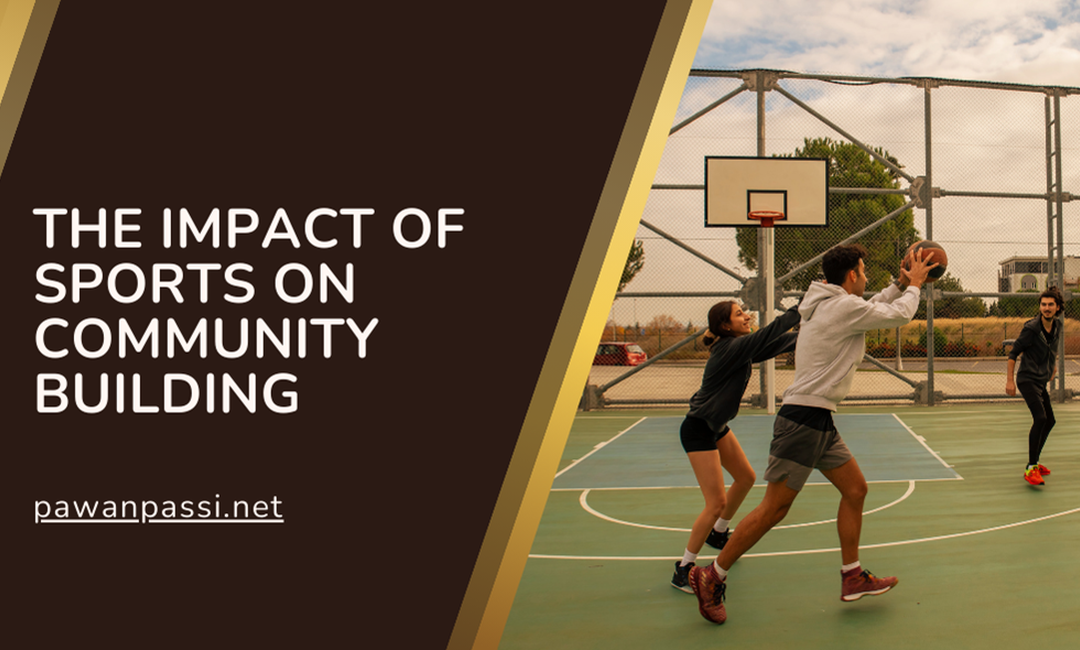
Sports have long been recognized as a powerful tool for bringing people together, fostering a sense of community, and promoting social cohesion. The impact of sports on community building is profound, as it creates shared experiences, breaks down social barriers, and promotes inclusion and unity. Whether through local sports leagues, school competitions, or major sporting events, the role of sports in enhancing community ties cannot be overstated.
At the grassroots level, local sports leagues and clubs provide a platform for individuals of all ages and backgrounds to come together. These organizations often serve as community hubs, where people can meet, interact, and build relationships. Participation in sports activities encourages teamwork, cooperation, and mutual support, which are essential for a strong and cohesive community. Youth sports programs, in particular, play a crucial role in teaching young people valuable life skills, such as discipline, leadership, and respect for others.
Sports also have the unique ability to break down social and cultural barriers. In many communities, sports events are among the few occasions where people from diverse backgrounds come together to share a common interest. This shared passion can help bridge gaps between different social, economic, and cultural groups, fostering greater understanding and tolerance. For instance, a local soccer match can unite people from various ethnic backgrounds, promoting cultural exchange and reducing prejudices.
Major sporting events, such as the Olympics or the World Cup, have an even broader impact on community building. These events attract global attention and bring together people from all corners of the world, creating a sense of global community. The excitement and national pride generated by these events can have a unifying effect on entire countries, encouraging citizens to come together in support of their teams. This collective experience can strengthen national identity and foster a sense of belonging.
In addition to bringing people together, sports can also drive community development and revitalization. The construction of sports facilities and infrastructure can create jobs and stimulate local economies. Community sports programs often attract sponsorship and funding, which can be reinvested in local services and amenities. Furthermore, sports events can boost tourism, drawing visitors and generating revenue for local businesses.
The impact of sports on community building extends to promoting health and well-being. Regular physical activity is essential for maintaining good health, and sports provide an enjoyable way for people to stay active. Community sports programs encourage healthy lifestyles and can help reduce the incidence of chronic diseases, such as obesity and diabetes. The social aspect of sports also contributes to mental health, as it provides opportunities for social interaction and support.
In conclusion, sports play a vital role in community building by fostering social cohesion, breaking down barriers, promoting inclusion, and driving economic development. From local leagues to international events, the shared experiences and collective pride associated with sports can strengthen community ties and create a sense of unity and belonging. As such, investing in sports programs and facilities is not only beneficial for individual health and well-being but also for the overall health and vitality of communities.