
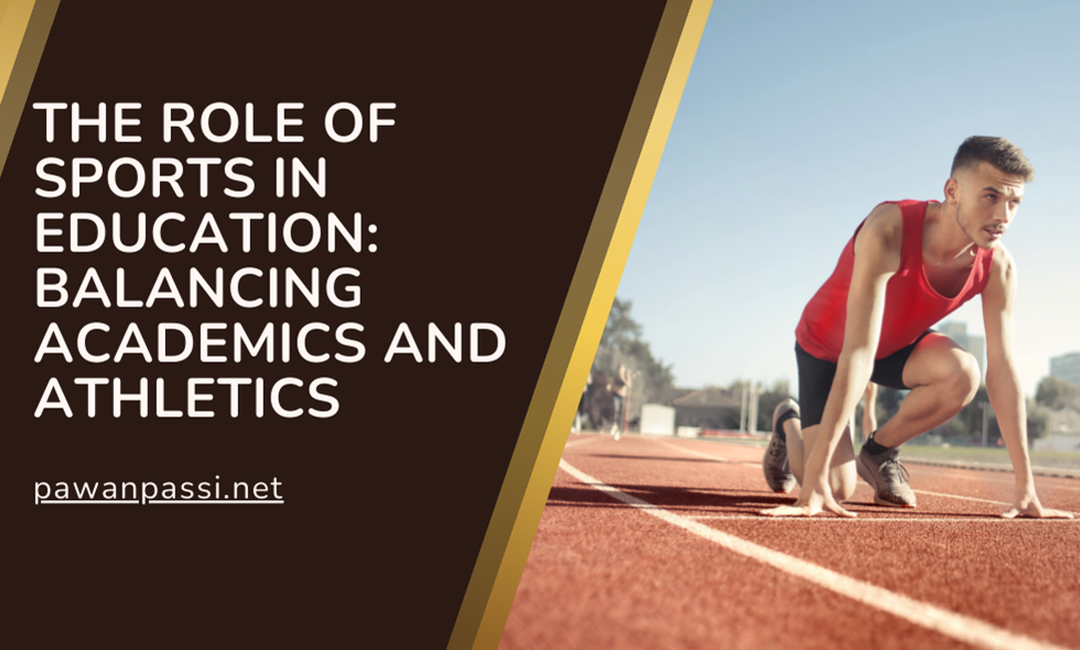
The integration of sports into educational institutions has long been a subject of both admiration and debate. While the benefits of sports participation for students are widely recognized, balancing academics and athletics remains a challenge. Understanding the role of sports in education and finding effective strategies to harmonize the two can enhance students’ overall development and success.
Benefits of Sports in Education
Sports play a crucial role in students’ holistic development. Physically, regular participation in sports promotes health and fitness, reducing the risk of chronic diseases and improving mental health. Beyond physical benefits, sports teach essential life skills such as teamwork, leadership, discipline, and time management. These skills are transferable to academic and professional settings, helping students become well-rounded individuals.
Sports also foster a sense of belonging and school spirit. Being part of a team creates camaraderie and helps students build social connections, which can enhance their overall school experience. Additionally, sports participation has been linked to improved academic performance. Studies suggest that student-athletes often perform better academically due to the discipline and time-management skills developed through sports.
Challenges in Balancing Academics and Athletics
Despite the benefits, balancing academics and athletics can be challenging for students. The demands of training, practice, and competitions can consume significant time and energy, potentially detracting from academic responsibilities. Student-athletes may experience stress and burnout as they strive to meet the expectations of both their sports and their studies.
Another challenge is the risk of prioritizing athletics over academics. In some cases, the allure of sports success can overshadow the importance of education, leading to an imbalance that can negatively impact students’ long-term prospects. Additionally, the physical demands of sports can lead to injuries, which may further disrupt academic progress.
Strategies for Balancing Academics and Athletics
To address these challenges, educational institutions, coaches, and parents can implement strategies to help student-athletes achieve a healthy balance between academics and athletics.
- Time Management Skills: It is crucial to teach students effective time management skills. Student-athletes should be encouraged to create schedules that allocate sufficient time for both academic and athletic commitments. Prioritizing tasks and setting realistic goals can help manage the workload.
- Academic Support: Providing academic support services, such as tutoring and study halls, can help student-athletes stay on top of their studies. Schools can also offer flexible scheduling and online classes to accommodate training and competition schedules.
- Communication: Open communication between coaches, teachers, and parents is essential. Regular check-ins can help identify potential issues early and ensure that student-athletes receive the support they need. Coaches should emphasize the importance of academics and encourage students to seek help when needed.
- Balanced Approach: Promoting a balanced approach to sports and academics is vital. Encouraging students to view themselves as student-athletes, with equal emphasis on both roles, can foster a healthier perspective. Celebrating academic achievements alongside athletic successes can reinforce this balance.
- Health and Well-being: It is crucial to ensure that student-athletes take care of their physical and mental health. Adequate rest, proper nutrition, and injury prevention measures should be prioritized. Providing access to mental health resources can also help manage stress and prevent burnout.
Conclusion
The role of sports in education is multifaceted, offering numerous benefits that contribute to the overall development of students. However, balancing academics and athletics requires careful planning and support from all stakeholders. By teaching time management skills, providing academic support, maintaining open communication, promoting a balanced approach, and prioritizing health and well-being, educational institutions can help student-athletes thrive both on the field and in the classroom. Achieving this balance can lead to a more fulfilling and successful educational experience for student-athletes, preparing them for future challenges in all areas of life.